
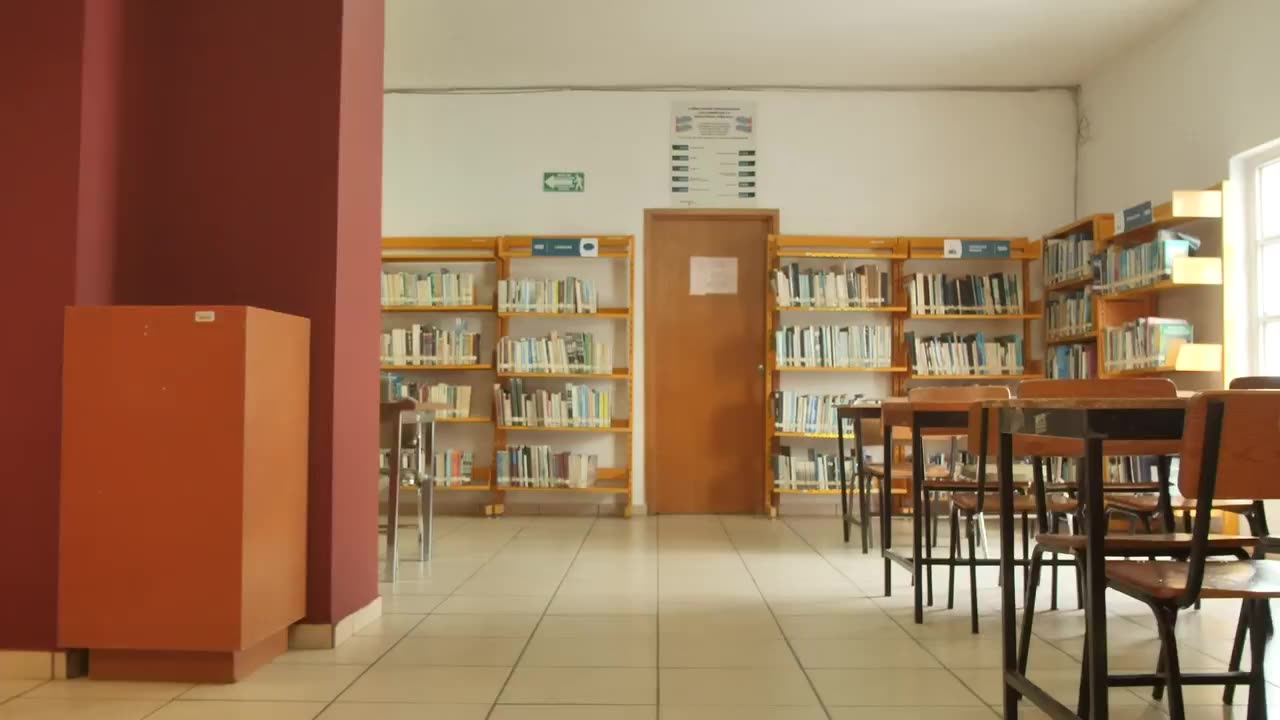
Why libraries
Every great idea
started on a shelf.
For almost 3,000 years, libraries have kept what people know and handed it on to the next generation.
A short history
of the library.
c. 668–631 BC
Nineveh, Assyria
A king collects the world's knowledge.
King Ashurbanipal gathered a library at his capital. More than 30,000 clay tablets covered in cuneiform were later found in its ruins. [1]
3rd century BC
Alexandria, Egypt
The great library.
Proposed under Ptolemy I and built under Ptolemy II, the Library of Alexandria is often said to have held 500,000 works. Historians think that number may be exaggerated, but its reputation has lasted for more than 2,000 years. [2]
c. 330–650 AD
Abba Garima, Ethiopia
Ethiopia keeps some of the oldest books on earth.
The Garima Gospels, radiocarbon-dated at Oxford, may be the oldest surviving illustrated Christian books in the world. An Ethiopian monastery has cared for them for well over a thousand years. [3]
1881–1917
Around the world
Libraries for everyone.
Andrew Carnegie gave about $56 million to build 2,509 public libraries, 1,681 of them in the United States. Reading stopped being a privilege and became a public right. [4]
Today
Ethiopia
The next chapter is being written in Ethiopian schools.
Sinen has opened eight libraries, from Burka Wayo and Jemmo 2 to Lafto, our biggest yet.
Why it matters now
Millions of children still can't read.
70%
of 10-year-olds in low- and middle-income countries can't read and understand a simple text.
2022 estimate, World Bank, UNESCO, UNICEF and partners. [5]
30+
studies link a good school library, with books and a librarian, to stronger reading results.
School Libraries Work!, Scholastic, 2015 (mostly U.S. research). [7]
Read. Wonder. Grow.
What a library gives a child, one page at a time.
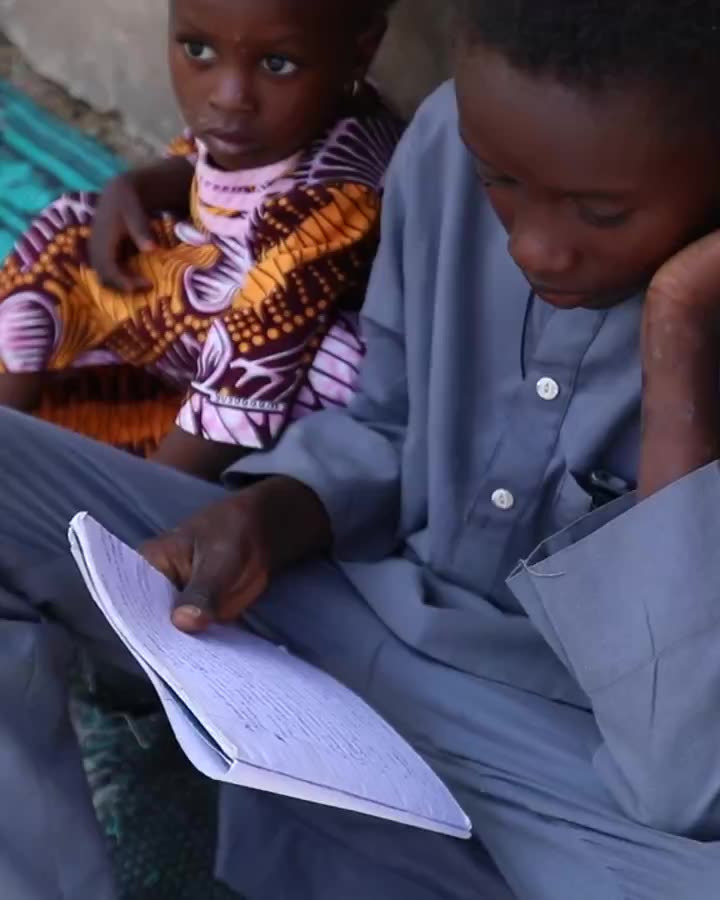
Read.
Reading aloud together, word by word.
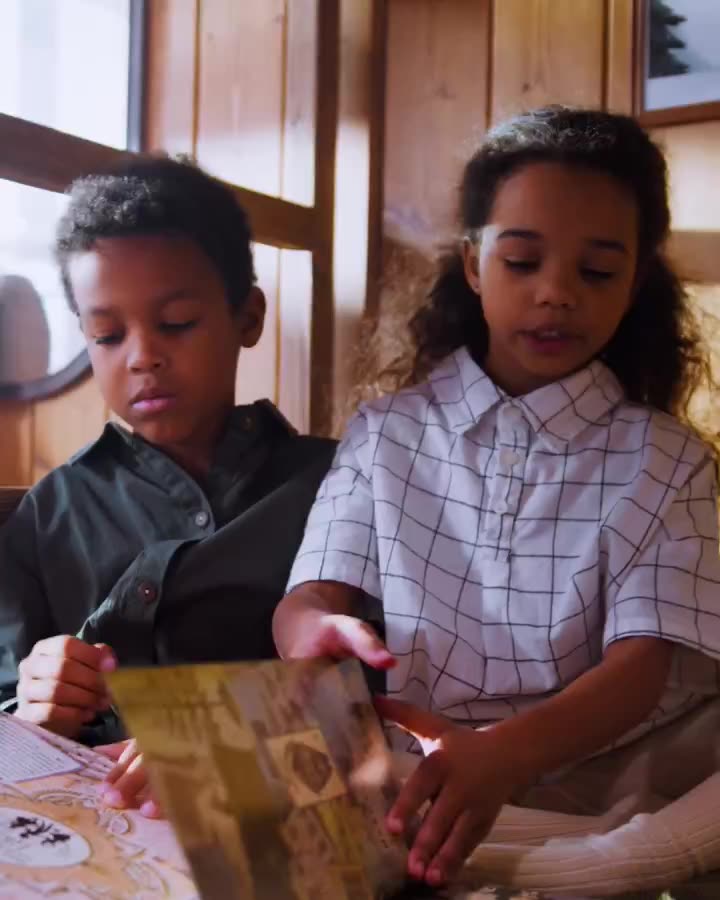
Wonder.
Picture books that open new worlds.
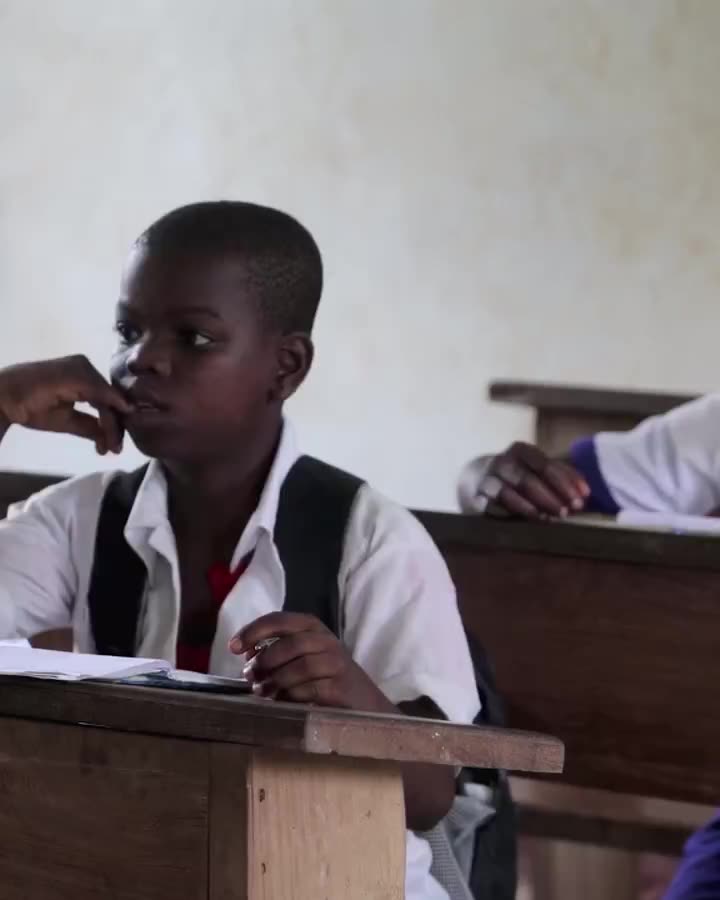
Grow.
The habit of learning that lasts a lifetime.
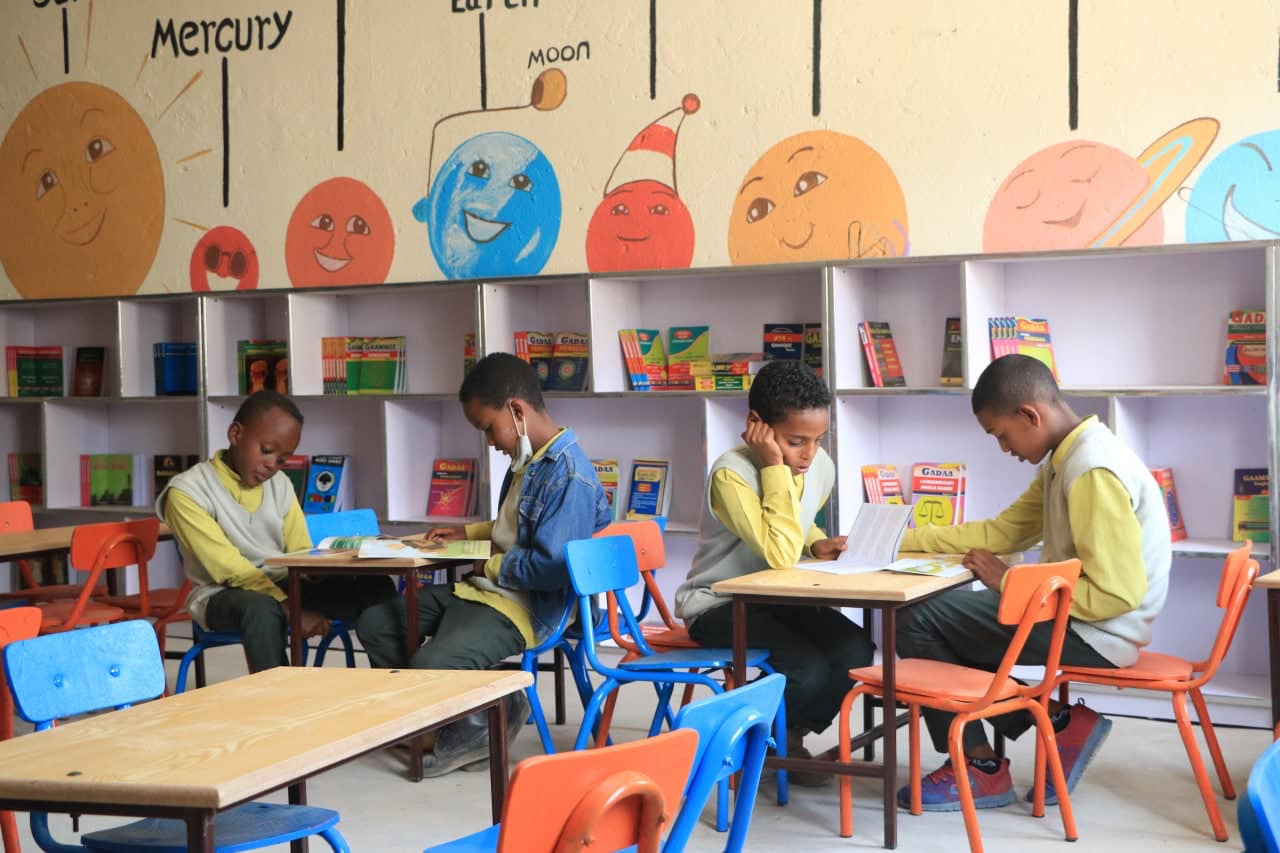
What one room can do
A library is where reading becomes a habit.
Libraries give people the chance to find jobs, discover new ideas, get lost in wonderful stories, and gather. Sinen turns empty rooms in Ethiopian schools into libraries so every student can have that.
Help write the next chapter.
Sponsor a library, or give any amount toward the next one.
Sources
- British Museum: What was Ashurbanipal's library?
- World History Encyclopedia: Library of Alexandria
- Medievalists.net: Garima Gospels found to be oldest surviving Christian illustrated manuscripts
- Carnegie Corporation of New York: Andrew Carnegie's library legacy
- UNICEF: 70 per cent of 10-year-olds in learning poverty (The State of Global Learning Poverty: 2022 Update)
- World Bank data via FRED: Adult literacy rate, Ethiopia
- Scholastic: School Libraries Work! (2015)